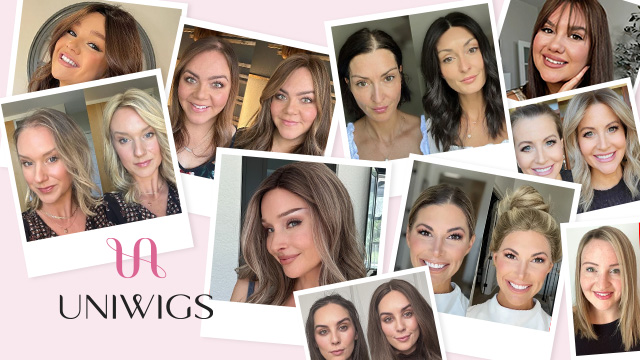
Every August, Hair Loss Awareness Month brings an important conversation into the open: millions of women experience thinning hair, alopecia, or full hair loss due to genetics, hormonal shifts, stress, or medical treatments like chemotherapy. Yet female hair loss often goes unspoken, leaving many women feeling isolated and unsure where to turn. The good news? Modern wigs have evolved into a powerful tool for confidence, identity, and self-expression to help women look and feel like themselves again.

Why This Month Matters for Women
Hair Loss Awareness Month is more than a calendar event. It’s a chance to break stigma, encourage early diagnosis, and spotlight real solutions. According to the American Academy of Dermatology, roughly 40% of women experience visible hair loss by age 40, and that number rises after menopause. Despite how common it is, the emotional impact—grief, lowered self-esteem, and social withdrawal—is often overlooked. Talking openly about wigs for hair loss normalizes the choice and reminds women that seeking help is a sign of strength, not vanity.
The Emotional Weight of Hair Loss
For most women, hair is tied to identity, femininity, and personal style. Losing it can feel like losing a piece of yourself. Many women describe avoiding mirrors, skipping events, or feeling invisible at work. This is where a great wig can be life-changing: it offers privacy on the days you want it, style on the days you crave it, and a quiet sense of control when everything else feels uncertain.
How Wigs Help Women Reclaim Confidence
Today’s wigs are lighter, softer, and more realistic than ever. Women choose them for many reasons:
- Restoring normalcy during medical treatment or recovery.
- Experimenting freely with length, color, and texture.
- Protecting fragile hair from heat and styling damage.
- Stepping back into work and social life with renewed energy.
The simple act of brushing a full head of hair each morning can be a powerful ritual of resilience.

Why a Human Hair Wig Is the Gold Standard
Among all options, a human hair wig remains the top choice for women who want the most natural look and feel. Crafted from real hair, it can be cut, colored, heat-styled, and washed just like your own. It blends seamlessly with bio hair, allows versatile parting, and lasts far longer than synthetic alternatives. For sensitive scalps, whether from chemotherapy, alopecia, or trichotillomania, the softness and breathability of a real-hair cap bring genuine, all-day comfort.
How to Spot High-Quality Wigs
Not all wigs are equal, and learning to recognize high-quality wigs saves money and frustration in the long run. Look for these markers:
- 100% Remy human hair with cuticles aligned in one direction.
- Lace-front or hand-tied construction for a believable hairline.
- Adjustable, breathable caps designed for sensitive scalps.
- Minimal shedding and tangling straight out of the box.
- Customizable density, length, and color to match your style.
A premium wig can last one to three years with proper care, making it a long-term investment in confidence rather than a short-term purchase.

Tips for Choosing Your First Wig
If you’re new to wigs, book a consultation with a specialist who understands cap construction and face shape. Bring reference photos, try several styles, and notice how each one makes you feel. Confidence is the entire point, the ”right” wig is simply the one that helps you forget you’re wearing it.
Final Thoughts
Hair Loss Awareness Month is a reminder: hair loss is a journey, not your identity. Whether you’re navigating alopecia, recovering from treatment, or simply craving more styling freedom, the right wig can help you walk taller and smile wider. If you’ve been thinking about a change, this is the perfect month to explore your options and give yourself permission to feel beautiful again.