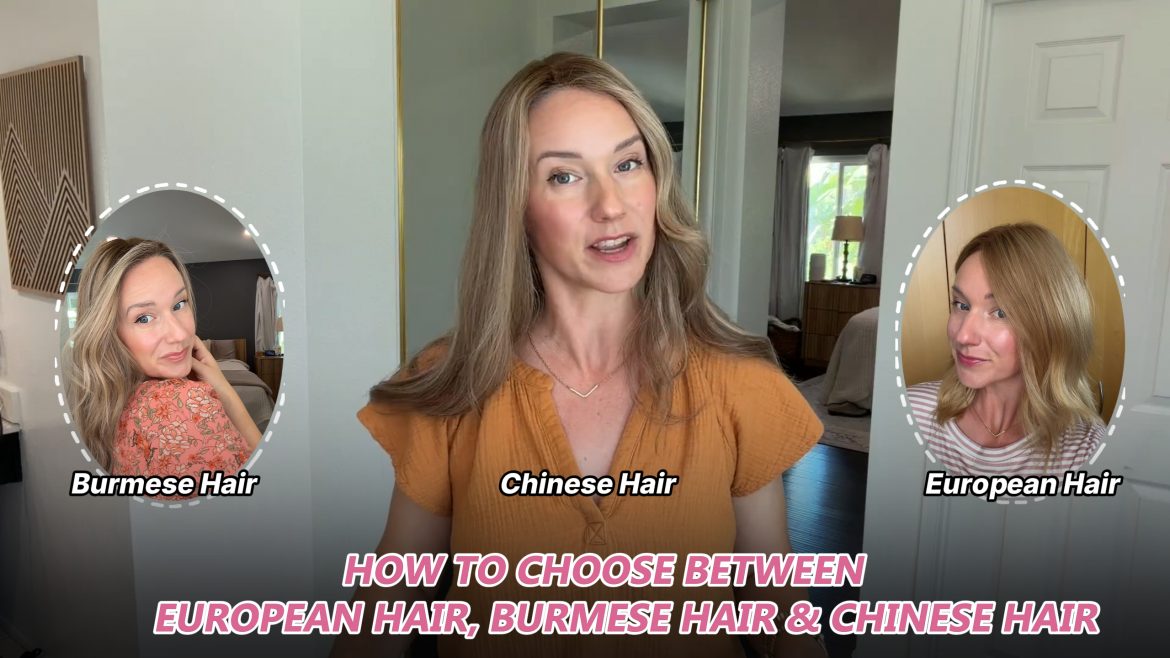
Finding the right hairpiece can take time, especially when you want it to match your natural texture, styling habits, and daily routine. When shopping for high quality wigs, you will often see European, Burmese, and Chinese human hair options. All three can be premium choices, but they do not behave in the same way. The best option depends on whether you prefer fine and silky hair, more natural body, or stronger strands for frequent styling.
So, is a European hair wig right for you? Here is a simple comparison.
What Makes European Hair Special?
European hair is known for its fine strands, soft texture, and lightweight movement. It is often a good match for people whose natural hair is fine, silky, and not especially thick.
Because the strands are finer, a European hair wig can create a realistic finish without looking heavy. The hair also has a smooth flow that resembles healthy, naturally fine hair.
European hair often requires less processing, which helps it maintain a fresh appearance and soft feel. However, its delicate texture should be handled gently. Rough brushing, excessive heat, or too much styling product may affect its softness.

European Hair vs. Burmese Hair
Burmese hair sits between European and Chinese hair in terms of texture and body. It is soft but usually has more natural volume and movement than European hair.
Burmese hair often has a natural wave or curl pattern and can hold curls well. This makes it a practical choice for people who enjoy beach waves, soft curls, or fuller hairstyles. It may also suit wearers whose natural hair already has some texture.
European hair is better for those who prefer a smoother, finer, and lighter finish. If you want a sleek style with less volume, European hair may feel more natural. If you prefer body and longer-lasting curls, Burmese hair may be the better option.
European Hair vs. Chinese Hair
Chinese hair is known for its strength and durability. It is often chosen by people who regularly straighten, curl, or restyle their wigs.
The stronger strands can handle frequent styling more easily, making Chinese hair suitable for someone who likes to change their look. It can be worn straight one day and curled the next when proper heat protection is used.
A European hair wig has a finer, more delicate texture. It feels lighter and may look more natural on people with fine biological hair, but it needs careful handling. If softness and lightweight movement are your priorities, choose European hair. If durability matters more, Chinese hair may suit your routine.
How to Care for Your Wig After Daily Wear or Exercise
Proper care helps every human hair wig stay soft, fresh, and easy to style, especially if you wear it often or exercise regularly.
Use Dry Shampoo
After a workout, use a small amount of dry shampoo to absorb excess oil and sweat. Brush the hair gently afterward to remove residue and tangles. Avoid using too much product on European hair because fine strands can quickly look heavy or dull.
Dry the Wig Cap
Moisture may also collect inside the wig cap. Use a hair dryer on the cool setting to dry the interior before storing or wearing the wig again. Never place a damp wig inside a box or bag.
Wash Regularly
If you wear your wig every day and often sweat in it, washing it around once a week can help keep it clean. Use products designed for human hair wigs, and avoid rubbing, twisting, or brushing the hair aggressively while wet.

Final Thoughts
At the end of the day, choosing the right hair type comes down to what makes you feel the most confident. Whether you want the sleek, soft elegance of European hair, the bouncy waves of Burmese hair, or the heat-resistant durability of Chinese hair, pick the style and texture that matches your daily life best!