
When investing in remy human hair wigs, many people expect perfection straight out of the box. But the reality is a bit different: even the highest quality wigs often need small adjustments to truly match your personal style, skin tone, and natural hairline.
Whether you’re exploring wigs for hair loss or simply upgrading your look with women’s human hair wigs, customization is the secret that transforms a good wig into an exceptional one.
In this in-depth guide, we’ll walk you through how to personalize a blonde human hair wig, from toning and root shading to cutting and care. So it blends effortlessly and feels like your own hair.

Why Even High Quality Wigs Need Customization
Let’s clear up a common misconception:
Even premium remy human hair wigs are not one-size-fits-all.
They are designed to suit a wide range of people, which means:
- The tone may not match your skin perfectly.
- The roots may not blend with your natural hair.
- The cut may not frame your face.
This is especially true for lighter shades like vanilla butter blonde, which can sometimes appear too warm or yellow depending on your undertone.
The good news? These issues are easy to fix.
Step 1: Tone the Color to Match Your Complexion
Blonde wigs often lean warm due to the lightening process. While golden tones can be beautiful, they don’t suit everyone.
If your wig looks too yellow, too brassy, or too warm, toning is your best friend.
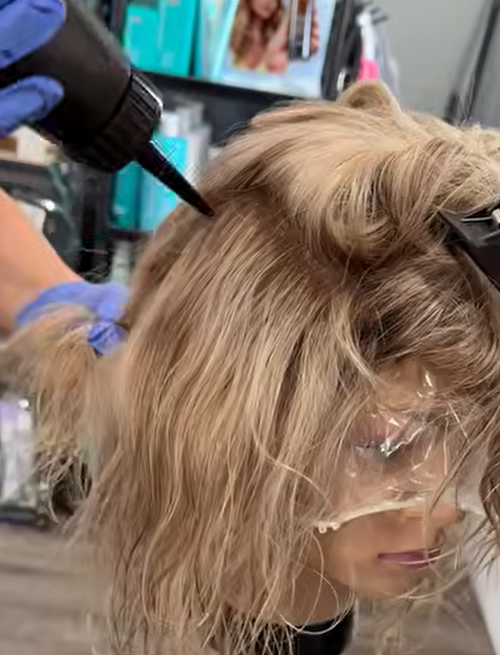
Go Cooler for a Modern Look
Cool or ashy tones:
- Neutralize unwanted warmth
- Look more natural on many skin tones
- Create a more sophisticated finish
Professional stylists often use gloss systems to adjust tone without damaging the hair.
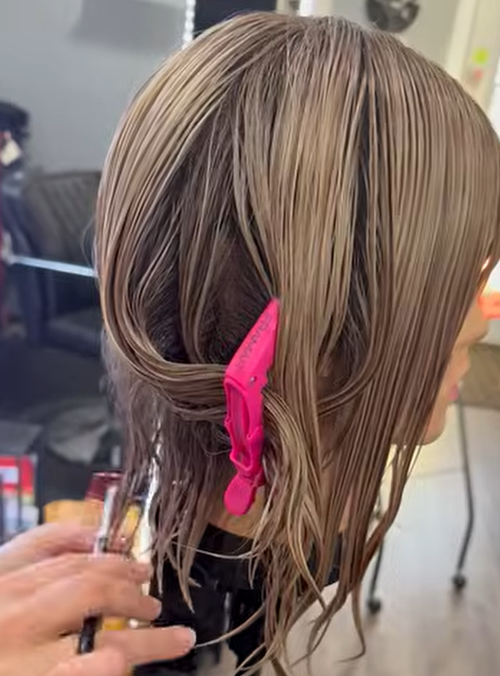
Step 2: Add a Root Smudge for Seamless Blending
One of the biggest differences between average and high quality wigs is how natural the roots look.
If your natural hair is darker, especially around sideburns, the hairline, and the widow's peak, a light blonde wig can look disconnected.
The Process of Root Smudging:
- Darkening the roots slightly
- Blending them into the lighter lengths

Step 3: Customize the Haircut
Color alone isn’t enough, the cut plays a huge role in how natural a wig looks.
Add Bangs: If you prefer a softer or more personalized style, bangs can frame your face, help conceal the hairline, and make the wig feel more like "you."
Face-Framing Layers: Layers can reduce bulk, add movement, and create dimension.
Try an A-Line Bob: Trimming 1–1.5 inches and reshaping the wig. That can instantly modernize the style, improve manageability, and enhance the overall finish.
This is one of the easiest ways to elevate even budget-friendly wigs for hair loss into a salon-quality look.
Step 4: Adjust Density and Parting
Not everyone wants a full, voluminous wig.
Thinning for a Natural Finish: A stylist can remove excess bulk, create a lighter density, and improve realism.
This is especially helpful for those wearing wigs for hair loss, where a natural look is essential.
Change the Part: If your wig has a mono top, you can flip the part from center to side, adjust volume distribution, and better match your natural hairstyle.
A simple part change can dramatically improve how the wig frames your face.
Step 5: Restore Moisture and Shine
Maintaining high quality wigs requires a consistent care routine.
Use Hair Oils for Smoothness
Apply a lightweight oil primarily to the mid-lengths and ends while avoiding the roots. This simple step effectively reduces frizz, adds a healthy shine, and improves overall softness.
Deep Conditioning & Hydration
When washing your wig, always incorporate a hydrating mask. We recommend choosing formulas specifically designed for damaged or processed hair to restore moisture and maintain its longevity.
Essential Heat Protection
If you plan on styling with heat, never skip a heat protectant. This is crucial to prevent dryness and breakage, ensuring your hair stays healthy and vibrant.
Step 6: Professional Treatments Make a Big Difference
If your wig feels dry or frizzy, a professional salon treatment can completely transform its texture. Using a high-quality product will help restore essential smoothness, shine, and manageability. Many users describe the results as a ”night and day” improvement, making the hair look and feel brand new.
Coloring & Maintenance Tips
While you can dye women’s human hair wigs, bleaching is pretty risky. Since the hair has already been treated before, bleaching it again can cause a lot of damage and make your wig wear out much faster.
If you want to change the look, it’s much safer to try toning, dying it a darker color, or adding some simple highlights. This way, your remy human hair wig stays soft and healthy and lasts a long time!
A Smart Way to Save Money on Your Next Wig
If you want a high-end look without the high price tag, try this simple strategy:
Don’t worry about finding the ”perfect” color: You don’t have to spend a fortune on a wig that is exactly the right shade out of the box.
Buy a lighter wig first: It’s much easier and cheaper to make a wig darker than it is to bleach it. Pick a lighter shade that fits your budget.
Customize it yourself (or with a stylist): You can easily update the look by toning the hair, adding a root smudge, or giving it a quick trim.

Whether you’re new to women’s human hair wigs or have been wearing wigs for hair loss for years, remember:
- No wig is perfect out of the box
- Personalization makes all the difference
- Proper care keeps your wig looking beautiful long-term
With the right techniques (toning, cutting, root smudging, and moisturizing), you can transform any wig into a stunning, natural-looking style that truly feels like your own hair.