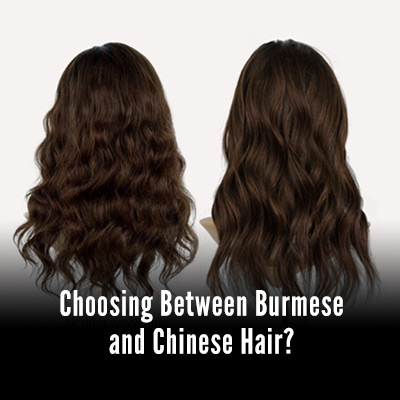
If you’ve been shopping for human hair wigs, you’ve probably asked the same question that so many wig wearers ask: “Should I choose Chinese hair or Burmese hair?”
Both are popular, both are high-quality, and both can look incredibly natural — but they behave very differently once you wash, dry, and style them.
What Are Burmese Hair and Chinese Hair?
Before diving into performance and styling, here’s a quick overview:
Burmese Hair
- Comes from a mix of Chinese, Indian, and Southeast Asian hair traits
- Typically thicker in texture
- Dries with a natural wave or loose curl
- Air-dries fuller and with more movement
- Great for those who want volume and body
Chinese Hair
- Naturally straight or smooth
- Known for durability and strength
- Holds a sleek shape easily
- Commonly used for processed or high-density wigs
- Ideal for polished, straight looks or soft waves
Both hair types usually arrive straight straight out of the box, but the true difference appears after washing and drying.
Burmese Hair vs. Chinese Hair After Air-Drying
One of the biggest questions wig wearers have is: “What will the hair look like after I wash it at home?”
This is where these two hair types reveal their personalities.
Burmese Hair: Natural Waves and Effortless Volume
Burmese hair transforms after washing in a completely different way.
Where Chinese hair stays sleek, Burmese hair wakes up with real body.
Air-Dried Burmese Hair Usually Looks Like:
- Loose, beachy waves
- Soft natural curls
- More root lift and built-in volume
- Slightly coarser texture mimics naturally wavy human hair
- A fuller look without needing heat tools
This is a top pick for women with naturally curly or wavy bio-hair, or anyone who loves texture and wants to simply wash, air-dry, and go.
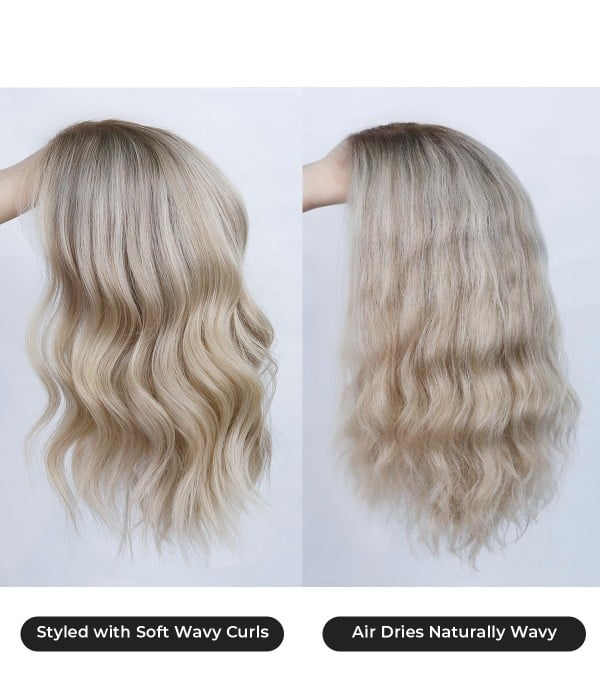
Burmese Hair After Air-Drying
Chinese Hair: Sleek, Soft, and Mostly Straight
When Chinese hair is washed and air-dried, it tends to fall almost straight with just a slight amount of movement. It won’t dry pin-straight, but it will be smooth and easy to work with.
What You Can Expect from Air-Dried Chinese Hair
- A soft, natural straightness
- Slight texture at the ends
- Minimal frizz
- A clean, sleek look even with zero styling products
- Easy blending with naturally straight bio hair
This makes Chinese hair perfect for women who prefer a low-maintenance, smooth style. If you want to add curls, it styles beautifully — and because the hair is naturally straight, the final look tends to be polished, defined, and uniform.
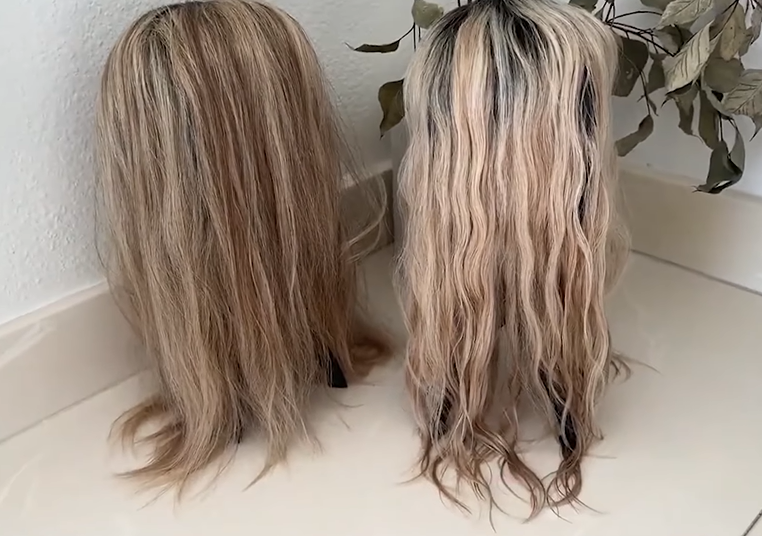
Burmese hair (right) and Chinese hair (left) after air-drying
How They Respond to Styling
Burmese Hair
Because it is naturally textured, Burmese hair:
- Enhances beach waves beautifully
- Can be worn curly without heat tools
- Blends easily with naturally curly or wavy biohair
- Doesn’t need much styling to look styled
If you love undone, lived-in texture with body, Burmese hair is the clear winner.
Chinese Hair
Because it starts straight, Chinese hair:
- Curls cleanly and evenly
- Gives a polished, tidy finish
- Holds curls well (as long as you don’t overwash)
- Works great for blow-outs, curtain bangs, and smooth looks
If your goal is easy daily styling or predictable results, Chinese hair is the safest choice.
Which One Should YOU Choose?
Here’s the simple breakdown depending on your lifestyle, hair type, and preferences:
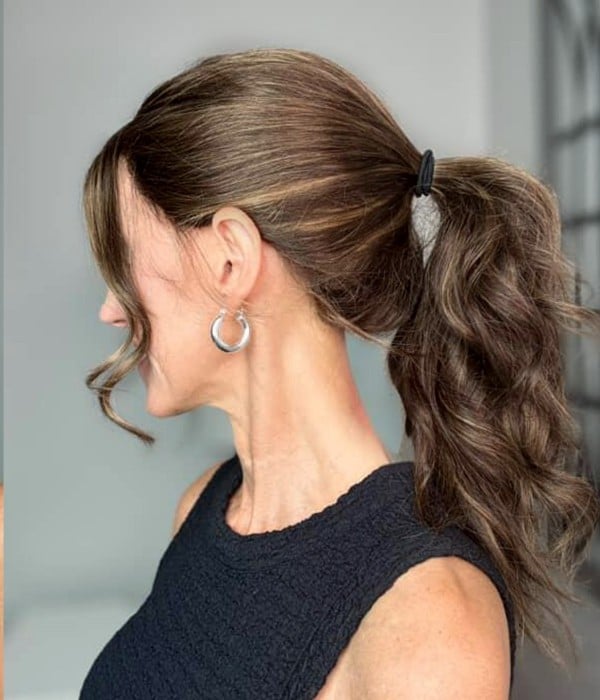
Choose Burmese Hair if…
- Your natural hair is wavy or curly
- You want built-in volume
- You love wash-and-air-dry convenience
- You want a wig that blends with textured biohair
- You want hair that adds body at the roots
- You love beachy waves or loose curls
Burmese hair is also fantastic for women who wear curls most days — it blends seamlessly without needing to straighten your biohair first.
Choose Chinese Hair if…
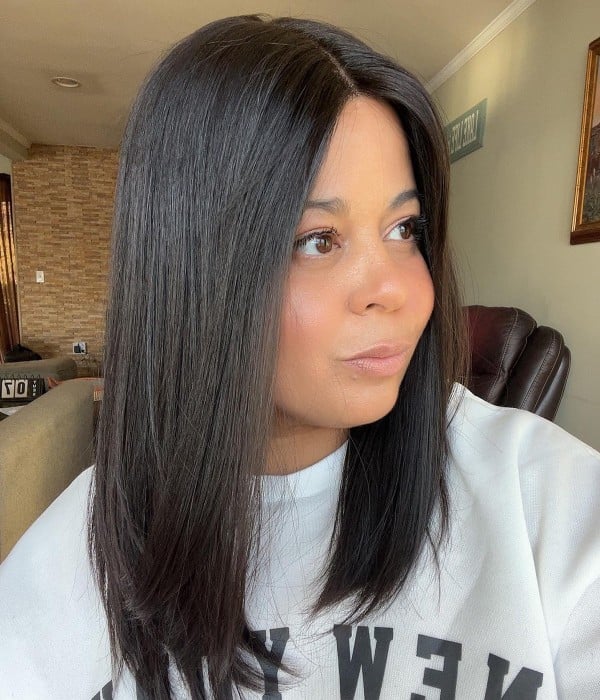
- Your natural hair is straight
- You prefer sleek or smooth hairstyles
- You hate dealing with frizz
- You live in a humid climate and want hair that stays sleek
- You want low-maintenance styling
- You want a hair type that stays polished longer
Chinese hair stays straighter in humidity, making it ideal for East Coast summers, tropical regions, or anyone who struggles with poofiness.
So… Burmese Hair or Chinese Hair? The Final Verdict
There’s no “better” option — only what’s better for you.
- If you want silky, smooth, no-frizz, easy styling, go with Chinese hair.
- If you want texture, volume, waves, and low-heat styling, choose Burmese hair.
- If your bio-hair is straight → Chinese hair blends best
- If your bio-hair is wavy or curly → Burmese hair blends naturally
Both hair types can be gorgeous, long-lasting, and incredibly natural-looking. The key is matching the wig’s behavior to your styling habits and daily routine.
Final Thoughts
Picking the right hair for your best wigs makes doing your hair every day way easier. Chinese hair and Burmese hair act different after you wash them, so it’s good to know what they do. That way, your wig will match your own hair better.
If you’re not sure which one to get, that’s okay! Just tell me what your hair is like, how you usually do it, and how you want it to look. I can help you pick the best one.